Our
Work

Turning Vision into Action
Across continents and coastlines, our work is driven by people united by a shared vision, ensuring that migratory birds continue to find refuge and that the wetlands they depend on continue to sustain life for all. Every recorded flight, every restored wetland, every community taking action, is an important step to keep the Flyway alive.

Our Thematic Areas
The East Atlantic Flyway partnership brings together research, management, policy, and people in a shared effort to support conservation across the flyway. Strengthened through communication, education, participation and awareness (CEPA), our work forms a dynamic network, one that adapts, learns, and delivers impact from local implementation to global collaboration.
Monitoring & Research
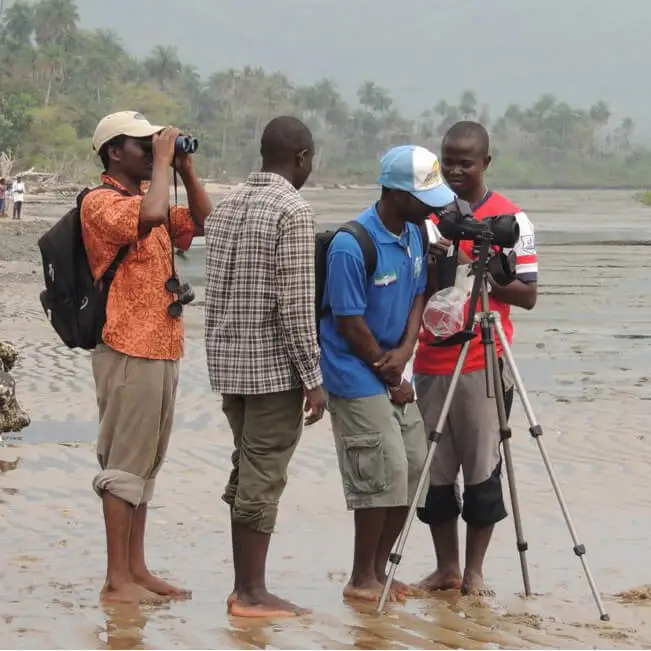
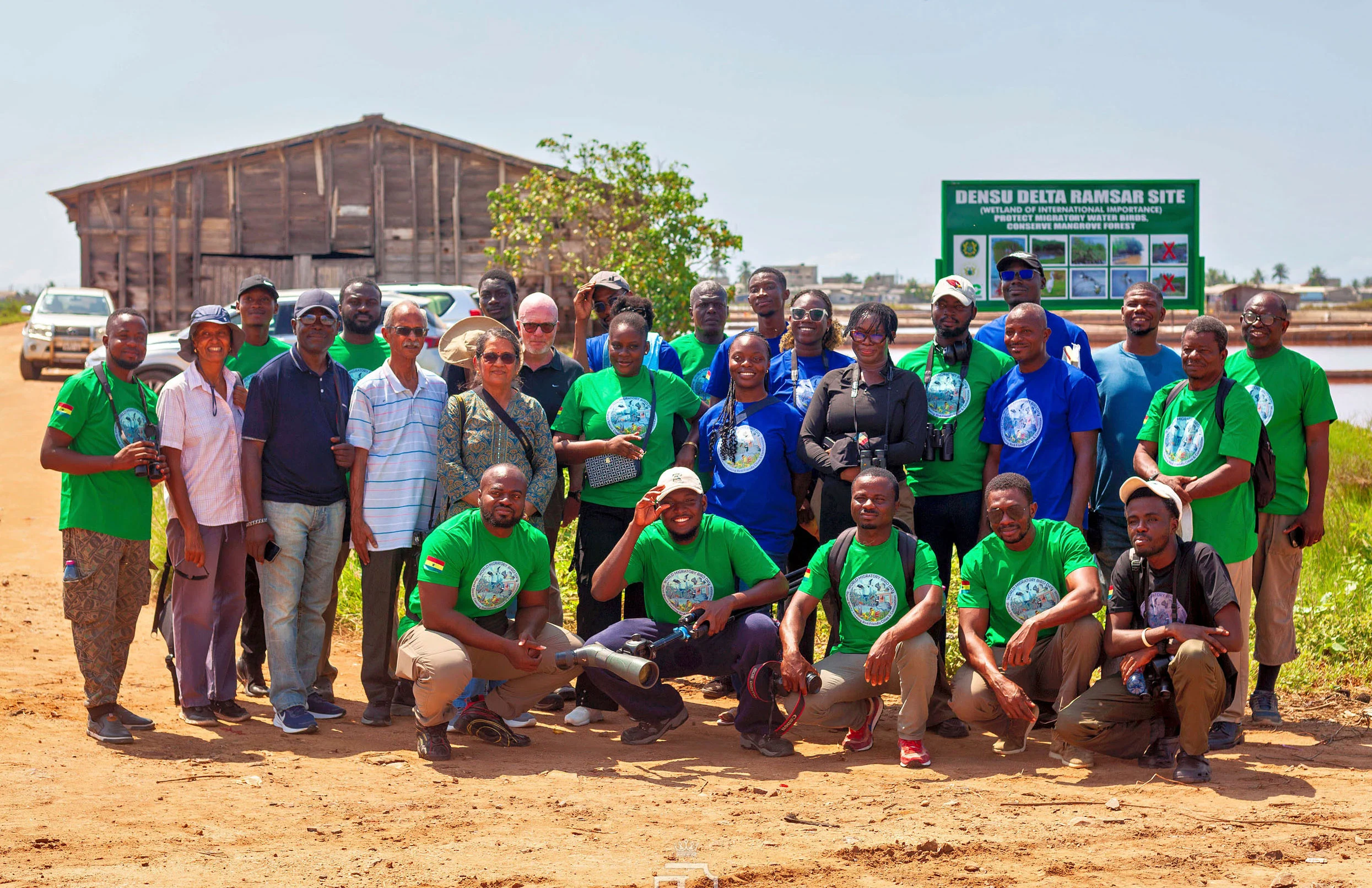
Migratory birds are indicators of change. By monitoring bird populations, tracking their movements, and linking these to wetland condition, we generate the insights needed to inform effective management and policy.
Through local and regional partnerships, we are building a shared knowledge base that empowers countries to act on evidence, not assumptions.
Wetland Management
Wetland Management
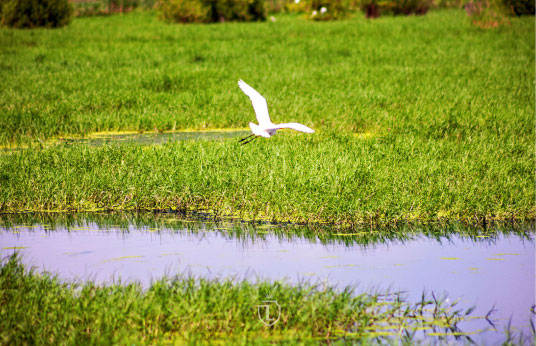
Restoring and safeguarding wetlands across the Flyway to protect migratory birds, enhance biodiversity, and strengthen climate resilience for the communities that depend on these ecosystems.
Each site restored is a win for both nature and livelihoods, demonstrating how wetland management can support climate adaptation in practice.

Policy & Governance
Policy & Governance
Conservation is most effective when embedded in policy. Along the flyway, we work with governments and regional frameworks to integrate wetlands and biodiversity into national strategies and international agreements.
Our efforts support policies that protect birds and their habitats, promote sustainable use, and align with the Sustainable Development Goals, the Global Biodiversity Framework, the African-Eurasian Waterbird Agreement and the Convention on Wetlands.
Empowering Communities
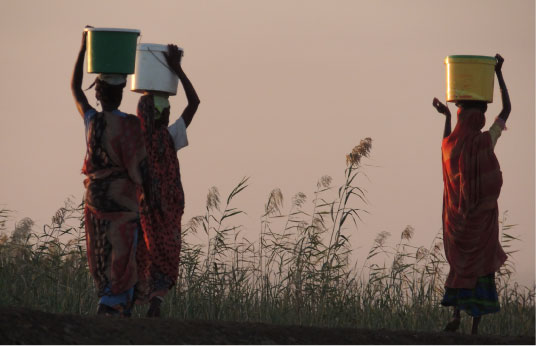
Resilience is built through people. We work with women, youth, and local leaders to strengthen conservation skills, support inclusive livelihoods, and promote stewardship of wetlands.
Through training, education, and locally led restoration, communities are taking a leading role in managing and protecting these ecosystems.

The Flyway Approach to Conservation
The Flyway Approach to Conservation
Migratory birds depend on a network of coastal wetlands that stretches across countries and continents. Protecting them requires coordinated action at a flyway-scale.
By connecting effective monitoring with site management, policy development, and practical action on the ground, we help ensure that conservation decisions are informed by evidence and translated into meaningful outcomes for both people and nature.
We call this our Flyway Approach. It brings together:
- Science: reliable monitoring data, habitat assessments, and climate research that inform decision-making;
- Partnerships: cooperation between governments, NGOs, researchers, and local communities across 44 countries;
- Capacity building: trained local actors who apply knowledge in research, management, policy development, and sustainable livelihoods.
This approach allows us to address local challenges, and scale solutions across sites and countries.
Through collaborative projects and initiatives, we put this approach into practice, connecting science, management, policy, and local action across the flyway.
Initiatives
Arctic Migratory Birds Initiative (AMBI)
The Arctic Migratory Birds Initiative is an initiative of the Arctic Council through its Conservation of Arctic Flora and Fauna (CAFF) Working Group that brings together Arctic states, Indigenous organizations, and international partners to conserve Arctic-breeding migratory birds across their flyways, including the East Atlantic Flyway. AMBI promotes coordinated conservation actions to address major threats such as habitat loss, unsustainable harvest, bycatch, invasive species, and climate change across multiple international flyways.
East Atlantic Flyway Initiative (EAFI)
BirdLife’s East Atlantic Flyway Initiative is an initiative to improve the conservation of migratory birds and their habitats along the East Atlantic Flyway. Established in 2015, it operates through a network of national BirdLifepartners, who work with governments, local communities, and other stakeholders to monitor and protect important sites for migratory birds. The initiative also supports international policy developments to ensure that migratory species are protected throughout their annual migration cycle.
Wadden Sea Flyway Initiative (WSFI)
The Wadden Sea Flyway Initiative is a trilateral initiative of Denmark, Germany, and the Netherlands that promotes the conservation of migratory waterbirds along the East Atlantic Flyway. Established in 2012 at the request of UNESCO, it supports coordinated monitoring, capacity building and local management, linking the Wadden Sea with key breeding, stopover, and wintering sites from the Arctic to West and southern Africa. By strengthening international partnerships, the WSFI aims to maintain the ecological connectivity that migratory birds depend on throughout their annual cycle.
Migratory Birds for People (MBP)
Migratory Birds for People is a network coordinated through Wetland Link International that connects wetland education centres along the East Atlantic Flyway to promote awareness and conservation of migratory birds. The initiative supports knowledge exchange, environmental education, youth engagement, and collaboration between sites across Africa and Europe, helping people understand the importance of migratory birds and the wetlands they depend on.
Global Flyway Network (GFN)
The Global Flyway Network is a non-profit foundation that seeks to foster and strengthen collaboration among researchers studying migratory shorebirds across the world. Established in 2006, GFN promotes research on shorebird demography and movement ecology, using long-term monitoring, colour-ringing, and satellite tracking to better understand the factors affecting populations along global flyways. GFN also hosts an interactive website to visualize life-histories of shorebirds tracked by the network, which is being develop in close collaboration with BirdEyes (University of Groningen).